Case File · Prince William County, Virginia
The county that changed its mind.
Prince William County once welcomed data centers with open arms — tax revenue, jobs, a seat at the table of the Northern Virginia tech boom. Then the community pushed back. In 2025, the county rewrote the rules. Multiple projects already in the pipeline were caught mid-flight.
Cited new-site proposal read: 45/100 and flagged the policy shift before the first filing fee was paid.
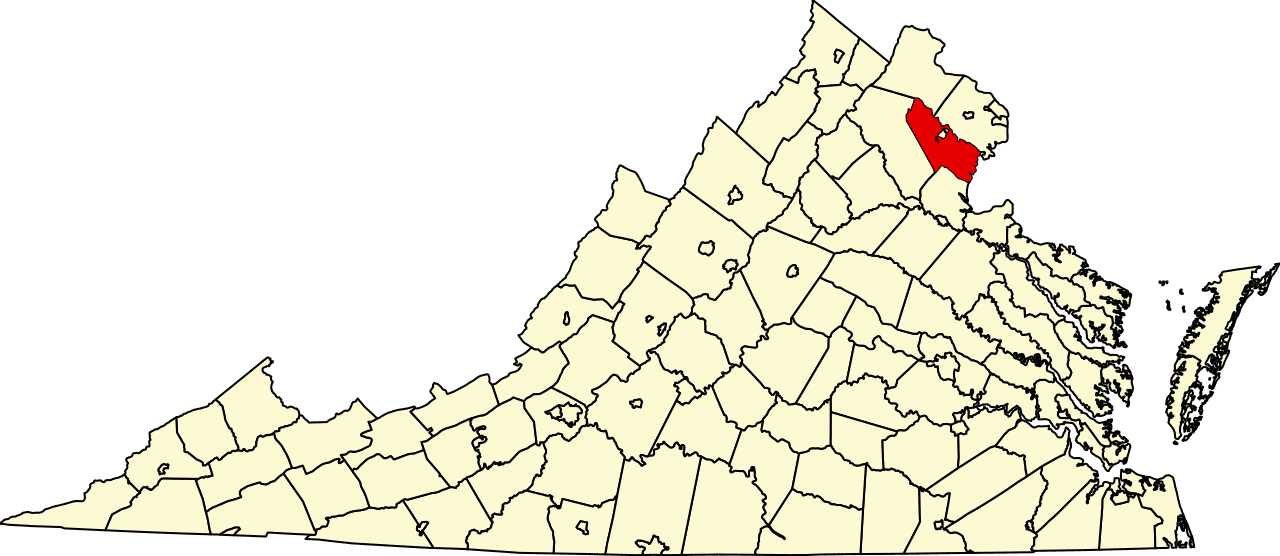
Prince William County, VA — data center denied as county restricts expansion beyond its designated digital corridor
News coverage
45/100
Feasibility Score
Policy Shift
Risk Type
Multiple
Projects Delayed
2025
Year of Reversal
Prince William County, Virginia · 2020–2025
A decade of yes. Then the rules changed.
2010–2022
Prince William becomes a data center powerhouse
The county aggressively courts hyperscale data center development — low tax rates, abundant land, proximity to Northern Virginia's fiber backbone. Amazon, Microsoft, and dozens of smaller operators build facilities. Billions of dollars in assessed property value. The county becomes synonymous with data center growth.
2022–2023
Community opposition begins to organize
Residents near data center clusters start attending Board of County Supervisors meetings in numbers. Noise from cooling systems. Visual blight from massive blank-walled structures. Concerns about traffic and the character of rural and suburban neighborhoods. Planning commissioners begin asking harder questions.
2024
Political pressure reaches the board
Supervisors face mounting constituent pressure. Multiple contested races turn partly on data center growth policies. The board commissions a comprehensive review of the county's data center regulations — a signal any seasoned entitlement professional should read as a moratorium in slow motion.
2025
New rules enacted — height limits, setbacks, noise standards
The county adopts sweeping new data center overlay standards: reduced maximum heights, increased setbacks from residential zones, strict cooling system noise decibel limits measured at property lines. Projects that were designed to the old envelope must be redesigned — or withdrawn.
2025 — Ongoing
Multiple projects delayed — pipeline frozen mid-approval
Developers with applications already filed under the prior standards face a changed regulatory environment. Some projects are redesigned. Others are quietly shelved. The county that once processed data center applications as routine is now reviewing each proposal with significantly higher scrutiny.
The First Signal
Organized Community Opposition
Residents near data center clusters began showing up to planning meetings in 2022. Public comment records — available to anyone — showed a consistent pattern of noise complaints, visual impact concerns, and quality-of-life objections. The political pressure was visible years before the board acted.
The Regulatory Trigger
Height Limits Slashed
New standards reduced the maximum permitted height for data center structures in the overlay district. Facilities that had been designed to the old envelope — already in the approval pipeline — suddenly didn't conform. Re-engineering mid-process is expensive and time-consuming.
The Operational Kill
Noise Standards Tightened
Cooling systems for hyperscale data centers generate significant continuous noise — diesel generators, HVAC, cooling towers. The new decibel limits measured at property lines made many standard cooling configurations non-compliant. Retrofitting noise mitigation adds millions in cost and months in schedule.
The Systemic Risk
Policy Reversal Pattern
Prince William is not an isolated case. Jurisdictions across Northern Virginia, Texas, Arizona, and Georgia have followed the same arc: aggressive courting of data centers, followed by community backlash, followed by regulatory tightening. The pattern is predictable — if you're watching the right signals.
Documented Record
Public comment records from Prince William County planning meetings documented organized resident opposition to data center development beginning in 2022 — years before the board enacted new height and noise restrictions on the overlay district.
The Pre-Filing Research
What RealClear finds in Prince William County.
Before a single filing fee is paid. Before a single engineer begins site planning to the wrong standards.
Jurisdiction Analysis
Prince William County
Virginia — Data Center District
Policy Status
Height Limits
Noise Standards
Community Risk
Policy Shift Signal
Prince William County reversed a decade of pro-data-center policy under political pressure in 2025. Multiple projects in the approval pipeline were delayed or redesigned after the new rules took effect.
Political Risk — Community Backlash Active
Years of unchecked data center expansion created organized opposition. The county's reversal was not sudden — it was the inevitable result of ignoring community posture signals that were visible in public meeting records years earlier.
Recommendation
HIGH POLICY RISK. Projects must be designed to 2025 standards from day one. Verify current height, setback, and noise compliance before any entitlement spend. Political environment remains volatile.
The Pre-Flight Checklist
Four source-record factors. All publicly available.
The policy reversal in Prince William County did not happen overnight. Every warning sign existed in public records years before the board voted. This cited case review examines the records that matter and flags material changes.
Community Opposition in Planning Meeting Records
Community risk reviewRealClear reviews planning commission and board of supervisors meeting minutes. Beginning in 2022, Prince William County meetings showed a measurable increase in public comments opposing data center expansion — noise complaints, visual impact concerns, requests for stricter standards. This pattern is a leading indicator of regulatory tightening, not a lagging one.
Regulatory Review Commissioned — Moratorium Signal
Approval path reviewWhen a jurisdiction commissions a comprehensive review of its data center regulations under political pressure, experienced entitlement professionals treat it as a soft moratorium. RealClear reviews zoning code amendments, overlay district reviews, and board-commissioned studies. A review ordered in 2024 was a clear signal that the rules would change before any project in the pipeline reached a final vote.
New Height and Setback Standards — Design Envelope Changed
Zoning reviewThe zoning review should check adopted ordinance amendments against the site record. The 2025 data center overlay changes — reduced maximum heights, increased setback requirements from residential zones — would have been flagged after the adopted record changed. Any project designed to the prior envelope and not yet approved was immediately at risk of non-conformance.
Noise Decibel Standards Tightened — Cooling Systems at Risk
Zoning reviewThe new noise standards created an engineering problem for virtually every standard hyperscale data center design. Cooling tower and HVAC noise measured at residential property lines — under the new decibel limits — required either acoustic mitigation systems (adding millions in cost) or fundamentally different cooling configurations. A cited zoning review surfaces this constraint immediately upon adoption.
Comparable Jurisdictions — The Same Arc Elsewhere
Comparable outcomes reviewComparable outcomes review tracks entitlement outcomes across comparable jurisdictions. Northern Virginia's data center policy environment was already showing stress fractures in adjacent counties. Loudoun County — the data center capital of the world — had begun tightening restrictions. The pattern was visible in the regional comparable data before Prince William County's board ever took a vote.
The cost of designing to an outdated standard:
A data center designed to Prince William's pre-2025 height and noise envelope — already in schematic design or permit review — requires expensive re-engineering to comply with the new overlay standards. Add sunk entitlement costs, carry on land, and the opportunity cost of a delayed or cancelled project.
A RealClear analysis catches policy shifts before your design team starts.
Cited Brief
How RealClear built this assessment.
This source review is backed by a traceable source trail — real articles, real officials, real patterns.
News records reviewed
Officials identified
Comparable approvals reviewed
Opposition groups in record
Event Timeline
Key milestones in the entitlement journey
2020-2023
Prince William becomes a data center powerhouse
2022
Community opposition begins showing up at Board meetings
2024
Board commissions comprehensive data center regulation review
2025
New rules enacted — height limits, setbacks, noise standards tightened
2025
Multiple projects delayed — pipeline frozen mid-approval
2020-2023
Prince William becomes a data center powerhouse
2022
Community opposition begins showing up at Board meetings
2024
Board commissions comprehensive data center regulation review
2025
New rules enacted — height limits, setbacks, noise standards tightened
2025
Multiple projects delayed — pipeline frozen mid-approval
Key Actors
Decision-makers and their positions
Prince William County Board of Supervisors
Legislative Body
Aggressively courted data centers for years, then reversed course under constituent pressure
Planning Commission
Review Body
Began asking harder questions as community opposition organized in 2022-2023
Opposition Record
Organized opposition groups
Prince William Residents Against DC Expansion
County-wide — multiple contested supervisor races turned partly on data center policy
Tactics
Board of Supervisors meeting attendance, noise documentation, election-cycle pressure
Track Record
Successfully drove comprehensive regulatory overhaul — height limits, setbacks, and noise standards all tightened
Engagement Strategy
Monitor county commission meeting agendas and staff reports for legislative risk factors. The policy review was on agendas months before the vote.
Risk Triggers
What activates opposition
- Cooling system noise near residential
- Visual blight from blank-walled structures
- Traffic from construction
Jurisdiction Pattern
What history tells us about this jurisdiction
Approval history
High approval rate reported historically — but new standards have frozen the pipeline. Specific comparable cases not documented.
Recent Shifts
The county that welcomed data centers for a decade has reversed course. New overlay standards make prior-era projects non-conforming.
Source read
The community meeting minutes told this story two years before the board voted. Years of unchecked expansion created organized opposition. The county's reversal was visible in public meeting records years earlier.
Cited research compiled from 8 news articles, Prince William County ordinance amendments, and comparable Northern Virginia data center policy tracking
The community meeting minutes told this story two years before the board voted
The community meeting minutes told this story two years before the board voted. Years of unchecked expansion created organized opposition. The county's reversal was visible in public meeting records years earlier. Cited research compiled from 8 news articles, Prince William County ordinance amendments, and comparable Northern Virginia data center policy tracking
Theme distribution
How this was assembled: Every source record ties to a public source you can verify yourself — news coverage, hearing records, court filings, public testimony. No scraped gated platforms, no invented engagement numbers, no attributions that aren’t on the page. RealClear surfaces source records; your team decides. See our methodology for the full sourcing standard.
Primary Source Documents
11 DocumentsEvery finding cited to the source. Click any document to preview it directly. Source-record patterns visible to experienced entitlement analysts months before the hearing.
Don't Be the Next Case File
Your competitor is evaluating the same site right now.
For submitted sites, RealClear checks zoning code amendments, planning meeting minutes, and comparable entitlement outcomes from source-backed public records. Know when a jurisdiction's rules are about to change before your project is caught mid-flight.
Cited research summary · Not legal advice · Verify independently before making investment decisions