Case File · Kansas City, Missouri · 2023–2025
McDonald's sued Kansas City. They won. And it still wasn't over.
Kansas City's Main Corridor Overlay District restricts drive-thrus along the streetcar route. McDonald's proposed a drive-thru upgrade. The BZA denied it. McDonald's sued in October 2023 and won in April 2024 — but the court only reversed the BZA's legal misapplication, not the underlying policy conflict. City staff continued to oppose the project on remand.
Winning in court means you get another hearing. It doesn't mean you get the permit.
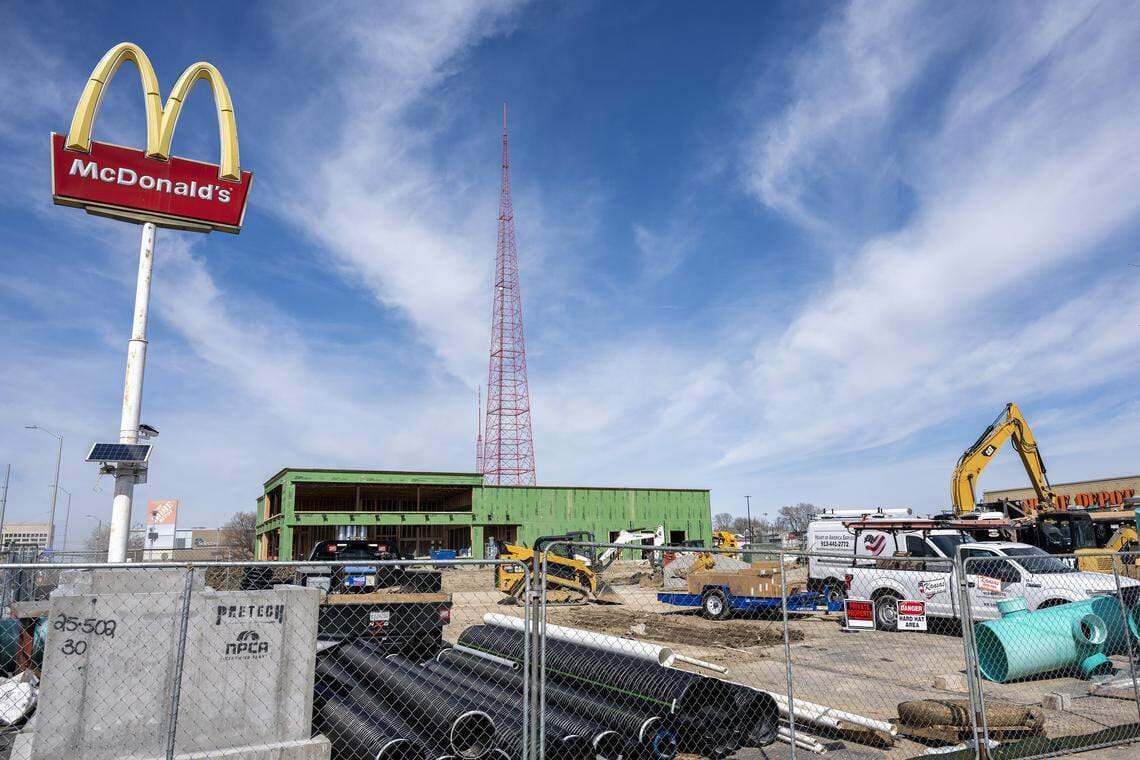
Kansas City, MO — McDonald's drive-through denied along the streetcar corridor under new transit-oriented zoning
News coverage
Location
Main Street Corridor
Kansas City, MO — Streetcar Overlay
Overlay District
Main Corridor Overlay
Drive-thru restricted zone
Lawsuit Outcome
McDonald's Won (Apr 2024)
Staff Position
City Staff: Opposed
Both times — before and after
Cited Brief
How RealClear built this assessment.
This source review is backed by a traceable source trail — real articles, real officials, real patterns.
News records reviewed
Officials identified
Comparable approvals reviewed
Opposition groups in record
Event Timeline
Key milestones in the entitlement journey
2022
McDonald's files drive-thru application at 3255 Main St
2022
City refuses to process application — streetcar overlay cited
2023
McDonald's files lawsuit in circuit court
Apr 2024
Court rules in McDonald's favor — orders city to process
Nov 2024
Two-lane drive-thru finally approved
2022
McDonald's files drive-thru application at 3255 Main St
2022
City refuses to process application — streetcar overlay cited
2023
McDonald's files lawsuit in circuit court
Apr 2024
Court rules in McDonald's favor — orders city to process
Nov 2024
Two-lane drive-thru finally approved
Key Actors
Decision-makers and their positions
Kansas City Planning Staff
Application Gatekeepers
Refused to process the application entirely — not a denial, but a refusal to hear it
Circuit Court Judge
Judicial Review
Ruled Kansas City exceeded its authority by refusing to process the application under the overlay
Opposition Record
Organized opposition groups
Streetcar Corridor Pedestrian Advocates
Transit advocacy groups with institutional support
Tactics
Overlay district enforcement advocacy, transit-oriented development framing
Track Record
Successfully persuaded city staff to refuse application processing — but lost in court
Potential Allies
Groups that may support the project
Missouri Restaurant Association
Industry group
Litigation precedent benefits all drive-thru applicants in transit overlay corridors
Jurisdiction Pattern
What history tells us about this jurisdiction
Approval history
1 of 1 — but only after a 2+ year lawsuit
Recent Shifts
Court ruling established precedent: overlay districts cannot be used to refuse application processing entirely
Source read
The overlay was public. The use restriction was public. The refusal precedent was public. McDonald's won — but it took 2+ years and substantial litigation costs. A developer with overlay research could have structured the litigation budget or found a non-overlay site in the same trade area.
Cited research compiled from 9 news articles, Kansas City streetcar corridor overlay text, circuit court filings, and comparable transit overlay drive-thru outcomes
The overlay was public
The overlay was public. The use restriction was public. The refusal precedent was public. McDonald's won — but it took 2+ years and substantial litigation costs. A developer with overlay research could have structured the litigation budget or found a non-overlay site in the same trade area. Cited research compiled from 9 news articles, Kansas City streetcar corridor overlay text, circuit court filings, and comparable transit overlay drive-thru outcomes
How this was assembled: Every source record ties to a public source you can verify yourself — news coverage, hearing records, court filings, public testimony. No scraped gated platforms, no invented engagement numbers, no attributions that aren’t on the page. RealClear surfaces source records; your team decides. See our methodology for the full sourcing standard.
RealClear Analysis
Winning in court and winning the permit are different things.
The Kansas City case illustrates why litigation is not a substitute for pre-filing entitlement research. McDonald's won a court case on a narrow legal question — but the underlying policy conflict with the corridor overlay remains unresolved.
Overlay intent is not overcome by text interpretation
The court ruled the BZA misread the ordinance. But the city's professional planning staff still opposes the project on character grounds. When staff and council are aligned against a use, a favorable legal interpretation creates a battle, not a resolution.
Transit-oriented corridors are hostile environments for drive-thrus
Once a corridor is designated as transit-oriented, the political environment shifts against auto-oriented uses — regardless of what the zoning code technically allows. The streetcar's opening in October 2025 intensified this dynamic.
The pre-filing screen catches this
A zoning read of the Main Corridor Overlay ordinance identifies the drive-thru restriction before a single dollar is spent on legal fees. The entire two-year litigation arc was predictable and preventable.
Site Analysis
McDonald's — Main Street Streetcar Overlay District
Kansas City, MO — Main Corridor Overlay
Key Risk Factors
- Main Corridor Overlay District prohibits new drive-thrus to promote walkable, pedestrian-oriented development
- BZA denied permit — McDonald's had to sue to get the case back to the hearing stage
- City staff again opposed permit after court remand: overlay intent > technical compliance
- Lawsuit won in April 2024 but required 12+ months of litigation before a new hearing
- Streetcar extension opened October 2025 — corridor now actively managed as transit-oriented
Overlay District
Main Corridor Overlay
DRIVE-THRU RESTRICTEDBZA Decision
Denied Permit
OVERTURNED BY COURTLawsuit Outcome
McDonald's Won (Apr 2024)
REMANDED TO BZAStaff Position
City Staff Opposed
POST-REMAND ALSOCase Timeline · 2023–2025
Denied. Sued. Won. Heard again. Still contested.
Two years, one lawsuit, one court victory, one remand, and still no final resolution — because the underlying policy conflict was never addressed.
Pre-2023
Kansas City adopts Main Corridor Overlay District
Kansas City establishes the Main Corridor Overlay District along the streetcar route, restricting what can be built to promote walkable, pedestrian-friendly development. Drive-thru restaurants are among the uses restricted under the overlay — the city's explicit policy goal is to make the Main Street corridor more transit-oriented and less auto-dependent.
2023
Plan Commission recommends approval — BZA denies
The Kansas City Plan Commission votes to recommend McDonald's proposal for a drive-thru upgrade on Main Street. However, the Board of Zoning Adjustment (BZA) denies the conditional use permit. The city argues that drive-thrus along the streetcar corridor undermine the pedestrian-oriented development goals of the overlay district.
October 2023
McDonald's files lawsuit against Kansas City
McDonald's files a lawsuit in Jackson County Circuit Court challenging the BZA's denial. McDonald's argues the drive-thru is 'simply an access point to services provided by a restaurant' — not a separate use subject to the overlay's restrictions. The city argues the BZA's decision was correct and that McDonald's 'failed to cite any Missouri statute or case law' supporting its position.
April 2024
Judge sides with McDonald's — BZA decision reversed
A judge sides with McDonald's in April 2024, reversing the BZA's denial and remanding the case for another hearing. The court finds that the BZA misapplied the overlay ordinance in denying the permit. The remand does not automatically approve McDonald's application — it sends the case back to the BZA for a new hearing consistent with the court's interpretation.
November 2024
BZA holds new hearing — city staff again opposes
The BZA holds a new hearing following the court's remand. Notably, city planning staff again recommends against the permit — this time framing the opposition around the negative impact on neighborhood character and the corridor's transit-oriented vision. The streetcar extension is approaching completion.
October 24, 2025
KC Streetcar Main Street Extension opens
The Kansas City Streetcar Main Street Extension opens, running from downtown to the UMKC area. The extension completes the transit corridor along which McDonald's is seeking drive-thru approval. The operational streetcar transforms the corridor from a hypothetical transit-oriented zone to an active one — and raises the political stakes for any auto-oriented development approval.
Key Officials & Stakeholders
Who shaped the outcome. And who is still shaping it.
Kansas City Board of Zoning Adjustment (BZA)
Zoning Decision Body
Denied initial permit; post-remand hearing 2024
Documented Record
Denied the drive-thru permit twice — before and after the court remand — citing conflict with the walkable, pedestrian-oriented development goals of the Main Corridor Overlay District.
The BZA denied twice — before and after the court remand. Their consistency reflects a genuine policy conviction about the overlay's intent. The court's reversal was a legal interpretation ruling, not an endorsement of the drive-thru's compatibility with the corridor vision.
Jackson County Circuit Court
Judicial Review
April 2024 ruling — reversed BZA
Documented Record
Ruled in April 2024 that the BZA misapplied the Main Corridor Overlay ordinance. Reversed the denial on narrow statutory interpretation grounds and remanded for reconsideration.
The court's ruling was narrow: the BZA misapplied the overlay ordinance. It did not rule that drive-thrus are automatically compatible with the overlay. The remand leaves open whether the BZA can find a compliant basis for denial under the correct legal standard.
Kansas City Planning Staff
City Planning Department
Recommended against both times
Documented Record
Recommended against the permit at both the original and remand hearings, citing negative impacts on neighborhood character and policy reasons beyond the state law question.
Staff opposition at both the original and remand hearing is significant. When planning staff consistently opposes an application, it signals that the city's professional planning judgment is aligned against the project — even if the legal standard allows it.
McDonald's Real Estate Arm
Applicant / Plaintiff
Main Street Location
Documented Record
Filed suit in Jackson County Circuit Court after BZA denial, arguing the overlay's drive-thru restrictions were inconsistent with Missouri statutory definitions. Won on narrow statutory interpretation.
McDonald's won the legal battle on the narrow question of statutory interpretation. But winning in court and winning in the community are different things. The city and its planning staff have made clear that the overlay's intent is to prevent exactly this kind of application.
Primary Source Documents
10 DocumentsEvery finding cited to the source. Click any document to preview it directly. Source-record patterns visible to experienced entitlement analysts months before the hearing.
RealClear
Read the overlay ordinance before you file — not after you lose.
RealClear reads corridor overlay ordinances, identifies drive-thru restrictions, and flags transit-oriented zones where auto-oriented uses face systemic political resistance.
Screen a site