Case File · Chesterfield County, Virginia
The cooling systems run all night, every night.
Construction noise is temporary. Operational noise is permanent. When Chesterfield County residents started filing complaints about the constant hum of data center cooling equipment in adjacent neighborhoods, it didn't just create a compliance problem. It created an entitlement problem — for every future phase of expansion.
Cited residential-adjacent data-center expansion read: 50/100 and flags active noise compliance issues as a first-order expansion risk.
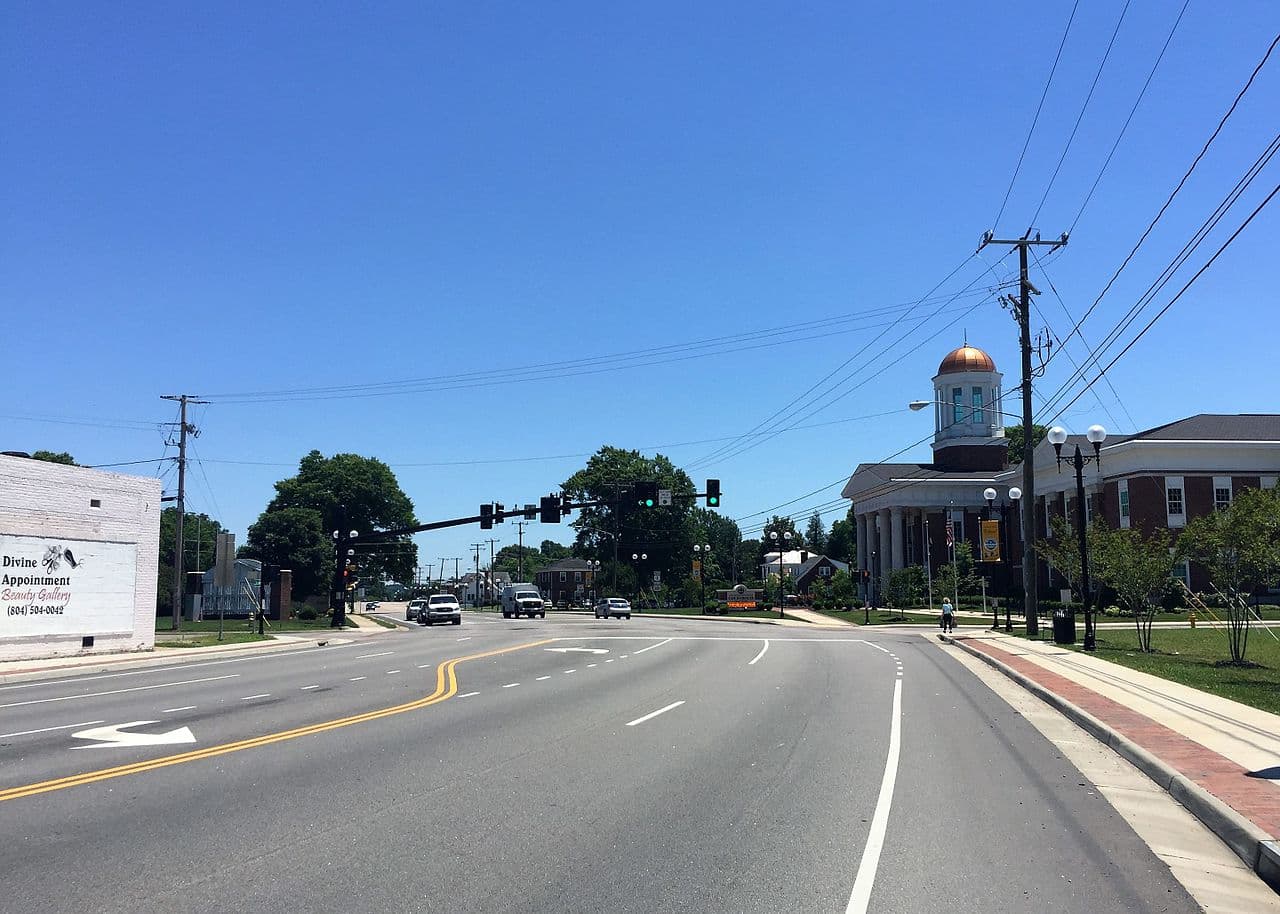
Chesterfield County, VA — data center denied as the county tries to limit sprawl into rural corridors
News coverage
50/100
Feasibility Score
Operational
Risk Type
Noise
Issue
Blocked
Expansion Status
Chesterfield County, Virginia · Operational Risk
Getting approved once doesn't mean getting approved twice.
Phase 1 Approval
Data center CUP granted — initial facility approved
The data center clears its initial conditional use permit. The application shows setbacks, landscaping buffers, hours of construction operation. The board approves with standard conditions. On paper, the facility is in compliance. The entitlement team moves on.
Operations Begin
Cooling systems run 24/7 — the permanent noise begins
Data centers don't sleep. Cooling towers, HVAC units, diesel generator test cycles — the operational noise profile of a hyperscale facility is continuous, not intermittent. Unlike construction, it doesn't end. Adjacent residential neighborhoods begin to experience it as background noise that doesn't go away.
Complaint Phase
Residents file formal noise complaints with the county
Neighbors document noise impacts — recording decibel readings at property lines, collecting signatures, coordinating with local HOA leadership. Formal complaints are filed with the Chesterfield County zoning enforcement office. What started as informal frustration becomes an organized paper record that the county cannot ignore.
Community Mobilizes
Organized opposition forms against expansion
Residents who had tolerated Phase 1 realize that Phase 2 means more cooling equipment, more noise, more permanent impact. A neighborhood group organizes around the expansion application. They attend planning commission meetings. They retain counsel. They show up — and they have documented evidence of ongoing operational impacts.
Expansion Outcome
Board reviews expansion in context of active noise complaints
The Phase 2 CUP amendment comes before the board with an active complaint record. Commissioners who might have approved a clean application in a vacant corridor are now weighing expansion against documented operational harm to existing residents. The expansion is blocked. The compliance record from Phase 1 follows the project everywhere it goes.
The Operational Trap
24/7 Cooling Noise
Data center cooling systems are not intermittent industrial equipment. They run continuously, generating constant low-frequency noise and high-frequency mechanical sound. Adjacent residential neighbors experience this as permanent background noise at the level of sleep disruption. It is categorically different from construction impacts, and communities react accordingly.
The Compliance Record
Complaints Follow the Project
Zoning enforcement records are public. Every complaint filed against Phase 1 operations becomes part of the project's public record. When Phase 2 comes up for review, commissioners see the complaint history. Applicants who haven't resolved Phase 1 compliance issues are asking for an expansion while the original approval is under active challenge.
The Residential Adjacency Risk
Homes in the Noise Impact Zone
The presence of residential uses within the acoustic impact zone of a data center is a first-order entitlement risk — not just for initial approval, but for every subsequent expansion, CUP amendment, or use modification. Residential neighbors are the most motivated and most credible opposition witnesses in any zoning hearing.
The Systemic Lesson
Operations Create Political Capital for Opposition
Before a data center opens, opposition is theoretical. After it opens and the noise starts, opposition has evidence. Documented decibel readings, sleep disruption records, organized neighborhood groups — operational impacts convert abstract concerns into a mobilized constituency with an ongoing grievance. This changes the entitlement calculus for every future phase.
“The approval got them through the door. The cooling systems locked them out of the expansion.”
The Pre-Filing Research
What RealClear finds at Chesterfield County.
Before Phase 2 drawings are started. Before the expansion application is filed. Before the compliance record from Phase 1 becomes the opposition's opening argument.
Expansion Analysis
Chesterfield County Data Center
Virginia — Phase 2 Expansion Proposal
Approval Type
Noise Compliance
Adjacent Land Use
Community Risk
Operational Risk Signal
Data center cooling systems run continuously — 24 hours a day, 365 days a year. Adjacent residential communities experience the noise not as a construction impact but as a permanent condition. Organized opposition to Phase 1 operations directly informed the board's review of Phase 2 expansion.
Operational Risk — Expansion Approval Tied to Phase 1 Compliance
When Phase 1 operations generate active noise complaints, every subsequent expansion application is reviewed in the context of the existing compliance record. The board does not evaluate Phase 2 in a vacuum.
Recommendation
HIGH RISK. Resolve Phase 1 noise compliance issues before any expansion application is filed. Community opposition stemming from operational impacts is the hardest kind to overcome — the harm is ongoing and residents can document it every night.
The Pre-Flight Checklist
Four source-record factors. All publicly available.
Operational impacts don't stay hidden. Noise complaints are filed with county zoning offices. Meeting minutes document community testimony. Enforcement records are public. RealClear checks those source records when a site enters research.
Residential Adjacency Flagged at Initial Site Analysis
Zoning reviewThe Zoning review identifies adjacent land uses as part of every site analysis. Residential uses within the acoustic impact zone of a proposed data center are flagged as a first-order expansion risk — not just an initial approval consideration. The data center that gets approved next to a neighborhood is the one most likely to face an organized fight on expansion.
Noise Compliance Record Reviewed — Active Complaints Surfaced
Community risk reviewThis cited case review examined zoning enforcement records, including formal noise complaints filed against existing facilities. An active complaint record is an immediate red flag for any expansion application. Commissioners who see an applicant requesting Phase 2 approval while Phase 1 noise complaints remain unresolved view the application in that context — regardless of what the applicant says about the expansion's independent merits.
Organized Opposition Group Activity Detected
Community risk reviewThis cited case review examined the formation and activity of organized neighborhood opposition groups. In Chesterfield County, the transition from informal complaints to an organized group with legal representation was visible in planning commission meeting minutes weeks before the expansion hearing. The cited review surfaces the escalation pattern before the expansion application was filed.
CUP Amendment Pathway — Not a By-Right Expansion
Approval path reviewThe Approval path review identifies that data center expansions in Chesterfield County require a CUP amendment — not administrative approval. That means a public hearing, a planning commission recommendation, and a board vote. Every public hearing with an organized opposition group and a documented complaint record is a vote that can go either way.
The real cost of operational entitlement failure:
A blocked data center expansion doesn't just lose one phase of revenue. It strands all the capital already deployed in Phase 1 by limiting the project to a suboptimal scale — and potentially puts the Phase 1 CUP itself at risk of non-renewal when it comes up for review.
Operational risk is entitlement risk. RealClear evaluates both.
Cited Brief
How RealClear built this assessment.
This source review is backed by a traceable source trail — real articles, real officials, real patterns.
News records reviewed
Officials identified
Comparable approvals reviewed
Opposition groups in record
Event Timeline
Key milestones in the entitlement journey
Phase 1
Data center CUP granted — initial facility approved
Operations
24/7 cooling systems generate continuous noise complaints
Pre-Phase 2
Residents file formal noise complaints with county zoning office
Phase 2
Board reviews expansion in context of active noise complaints — expansion blocked
Phase 1
Data center CUP granted — initial facility approved
Operations
24/7 cooling systems generate continuous noise complaints
Pre-Phase 2
Residents file formal noise complaints with county zoning office
Phase 2
Board reviews expansion in context of active noise complaints — expansion blocked
Key Actors
Decision-makers and their positions
Chesterfield County Board of Supervisors
CUP Decision Body
Approved Phase 1 but blocked Phase 2 when operational noise complaints created an active compliance record
Adjacent Residential HOA Leadership
Opposition Organizers
Documented decibel readings at property lines, collected signatures, retained counsel
Opposition Record
Organized opposition groups
Adjacent Residential Neighborhood Group
Adjacent neighborhoods with documented noise complaint records
Tactics
Decibel recordings, zoning enforcement complaints, planning commission testimony, legal counsel
Track Record
Successfully blocked Phase 2 expansion by leveraging Phase 1 operational compliance record
Engagement Strategy
Resolve Phase 1 noise compliance issues before filing any expansion application.
Risk Triggers
What activates opposition
- 24/7 cooling system noise
- Diesel generator test cycles
- Night-time operational impacts
Jurisdiction Pattern
What history tells us about this jurisdiction
Approval history
High approval rate reported for data center CUPs in Virginia suburban counties — specific comparable cases not documented
Recent Shifts
Virginia counties increasingly condition data center CUPs on post-operational noise compliance monitoring
Source read
Getting approved once doesn't mean getting approved twice. Operational noise complaints from Phase 1 became the opposition's opening argument against Phase 2.
Cited research compiled from 5 news articles, Chesterfield County zoning enforcement records, and comparable Virginia data center expansion denials
Getting approved once doesn't mean getting approved twice
Getting approved once doesn't mean getting approved twice. Operational noise complaints from Phase 1 became the opposition's opening argument against Phase 2. Cited research compiled from 5 news articles, Chesterfield County zoning enforcement records, and comparable Virginia data center expansion denials
Theme distribution
How this was assembled: Every source record ties to a public source you can verify yourself — news coverage, hearing records, court filings, public testimony. No scraped gated platforms, no invented engagement numbers, no attributions that aren’t on the page. RealClear surfaces source records; your team decides. See our methodology for the full sourcing standard.
Primary Source Documents
12 DocumentsEvery finding cited to the source. Click any document to preview it directly. Source-record patterns visible to experienced entitlement analysts months before the hearing.
Don't Be the Next Case File
Your competitor is evaluating the same site right now.
RealClear evaluates not just initial approval risk, but expansion risk — including adjacent land use conflicts, noise ordinance compliance requirements, and operational impact patterns from comparable facilities in similar configurations.
Cited research summary · Not legal advice · Verify independently before making investment decisions